
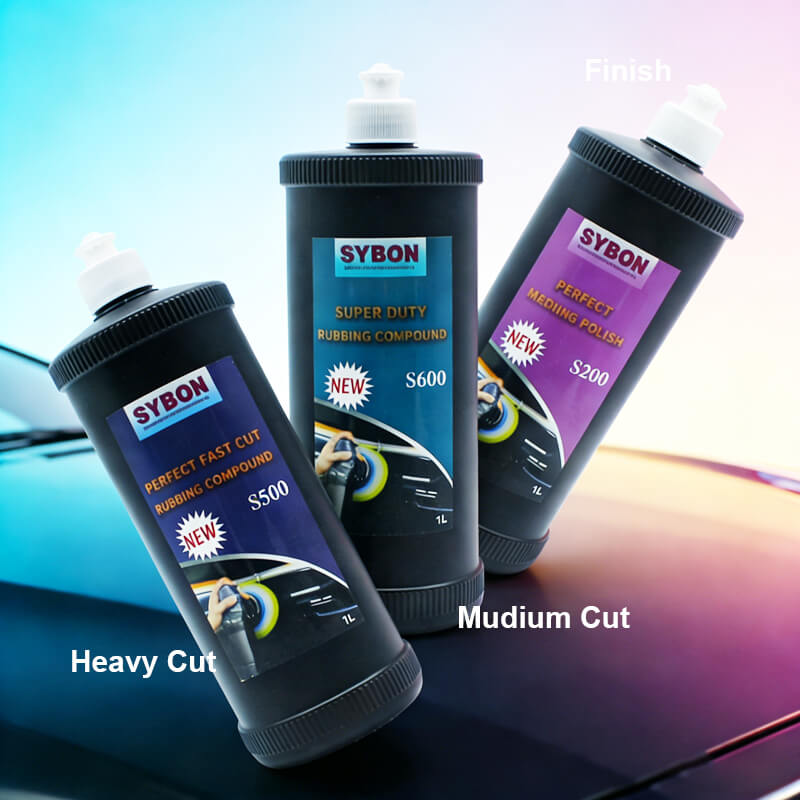
Wholesale Automotive Polishing Compound
As SYNEW — a professional automotive paint and care product manufacturer — we understand that the finish is everything. For import agents, wholesalers, fleet owners, and repair professionals, choosing the right wholesale automotive polishing compound is not only about shine: it’s about cost-efficiency, consistency, compatibility with modern paints, safety, and after-sales support. This guide explains what to look for when buying polishing compound at scale, how different compounds behave, application best practices, and why purchasing from a trusted manufacturer like SYNEW makes business sense.
What is a polishing compound and why buy wholesale?
A polishing compound is an abrasive paste or liquid used to remove surface defects — fine scratches, oxidation, water spots, or sanding marks — and to build gloss before sealing or waxing. Buying polishing compound wholesale brings significant advantages: lower unit cost, consistent product quality for large fleets or retail channels, simplified logistics with bulk packaging options, and dedicated technical support from the manufacturer.
Types of polishing compounds and their uses
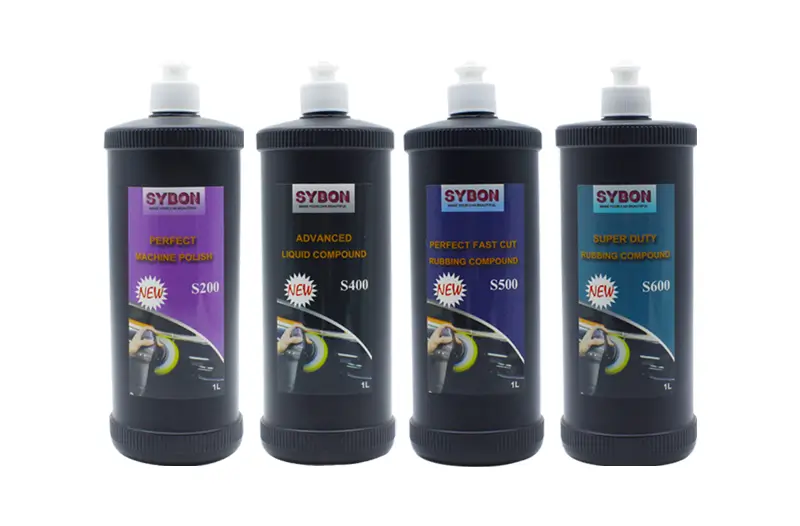
When selecting a wholesale automotive polishing compound, you’ll commonly encounter three performance tiers:
1. Heavy-cut compound: Aggressive abrasives for deep scratches, heavy oxidation, or paint correction after bodywork. Ideal for collision repair shops and fleet refurbishing where restoration speed matters.
2. Medium-cut (polishing) compound: Balances defect removal with surface refinement — used to remove light swirl marks and prepare surfaces for final finishing.
3. Finishing compound: Extremely fine abrasives to maximize gloss and clarity before sealant or ceramic coating application.
For wholesalers and importers, offering a line that includes all three—plus specific formulations for soft clearcoats or two-tone OEM finishes—covers a wide range of customer needs and increases order value.
Key selection criteria for bulk purchasers
1. Abrasive system & particle size — Look for compounds that advertise consistent particle distribution to avoid uneven cutting or holograms on modern multi-layer clearcoats.
2. Paint compatibility — Ensure the formula is safe on 1K/2K basecoats, OEM clearcoats and soft finishes. Some compounds include lubricants to reduce heat and minimize clearcoat thinning.
3. Viscosity & application method — Paste, cream, or liquid options exist. Creams and liquids are often preferred for machine polishing; pastes for hand-correction.
4. Shelf life & storage — Stable formulas that resist separation and have clear storage instructions reduce waste and returns.
5. Packaging & MOQ — Wholesale buyers should seek flexible carton sizes and private-label options. Bulk tins, pails or 5–20 L drums reduce cost-per-kg and shipping overhead.
6. Regulatory & safety data — Provide SDS and compliance with relevant VOC or environmental standards in your target markets.
Packaging, logistics and margin considerations
Bulk packaging options (4 kg ) lower the landed cost and simplify refill programs for express detailing chains or fleet maintenance yards. For distributors, offering both bulk and retail-ready packaging (e.g., 1 kg ) can capture both professional and retail consumer segments. Negotiate tiered pricing, minimum order quantities, and lead times — reliable manufacturers will often provide marketing materials and in-store display options to help you move inventory faster.
Application best practices (to reduce callbacks)
1. Surface prep: Clean and decontaminate before polishing. Trapped dirt magnifies defects.
2. Pad selection: Use the right foam or microfiber pad for compound aggressiveness. Heavy-cut compounds pair with open-cell pads; finishing compounds with soft pads.
3. Speed & pressure: Machine speed and applied pressure dramatically affect results and clearcoat safety. Train staff on correct technique to avoid burn-through.
4. Follow-up: Wipe residue and inspect under natural light. Finish the process using a fine polish and a protective sealant.
Offering training or simple how-to guides with wholesale orders increases customer satisfaction and reduces misuse.
Safety, storage and environmental notes
Provide clear SDS documentation. Recommend storage in a cool, dry place and advise on safe disposal per local regulations. For buyers in regions with VOC restrictions, ask about low-VOC formulations — reputable manufacturers often supply compliant variants.
Why choose SYNEW as your wholesale partner?
SYNEW brings factory-direct pricing, strict QC, customizable packaging, and marketing support. We offer:
1. Full product lines (heavy-cut to finishing compounds) engineered for modern OEM paints.
2. Low minimum order quantities for new distributors and scalable tiered pricing for large importers.
3. Technical documentation (SDS, TDS), in-market regulatory support, and optional private labeling.
4. Sample programs so you can test performance on real jobs before committing to inventory.
Call to action
If you’re an importer, wholesaler, fleet manager, or collision repair buyer looking to evaluate SYNEW’s wholesale automotive polishing compound range, we’d be happy to provide samples, technical data sheets, and pricing tiers tailored to your market. Contact our sales team for distributor terms, lead times, and private-label options — we aim to make importing and selling profitable and low-risk.
Source of this article:https://www.synewchemical.com/
Get to know us through more channels:Youtube.