
Automotive Clear Coat Peeling: Causes, Prevention & Fast Repair — SYNEW
Clear coat peeling (automotive clear coat peeling) is one of the most frustrating finish problems a refinish technician, fleet manager, or parts buyer can encounter. A smooth, glossy clear coat can look perfect right off the gun — then lift or flake away within days or weeks. For import agents, wholesalers, dealers, fleet owners and repair shops, understanding the root causes and prevention steps is essential to protect reputation and margins. This article explains the main reasons clear coat peels, practical prevention measures for the spray booth, and a straightforward repair approach you can trust.
What we mean by clear coat peeling
When we say automotive clear coat peeling, we mean delamination of the clearcoat layer from the underlying paint or substrate. Symptoms range from small localized lifting to large flakes or complete sections of clearcoat separating from the basecoat or autobase layer.
Top causes of automotive clear coat peeling
Most clear coat peeling issues trace back to poor adhesion between layers. The common causes include:
1. Autobase (basecoat) applied too thick
A very heavy basecoat can create an unstable film that traps solvents or fails to present a suitable surface for the clearcoat to bond.
2. Entrapped solvent in the autobase layer
If the basecoat still contains solvent when the clearcoat goes on, solvent escape and outgassing can push at the clearcoat causing lifting or fisheyes.
3. Incompatible clearcoat and hardener (or wrong mix ratio)
Using a clearcoat and activator that are not chemically matched — or mixing with incorrect ratios — reduces crosslinking and weakens adhesion.
4. Insufficient flash or dry time between coats
Skipping or cutting short recommended intercoat flash/dry times prevents proper solvent evaporation and chemical bonding.
5. Incompatible product systems
Mixing products from brands or product lines that are not formulated to work together can produce hidden incompatibilities (solvent systems, resin types, etc.) that lead to failure.
6. Contaminated spray equipment or poorly prepared substrate
Oils, silicone, waxes, dust, or residues on spray guns, or on the vehicle surface, will drastically reduce adhesion.
How to prevent clear coat peeling — best practices
Minimizing risk of clear coat peeling is largely about process control and product compatibility. Follow these practical steps on every job:
1. Choose compatible systems. Use a clearcoat + hardener + basecoat that the manufacturer specifies as matched systems whenever possible. If you combine brands, test first.
2. Follow technical data sheets (TDS). Adhere strictly to recommended dry/flash times, film thickness, mixing ratios, pot life and application conditions.
3. Watch film builds. Apply autobase and clearcoat in recommended passes and total dry film thickness — avoid overloaded single coats.
4. Ensure full solvent release. Allow adequate flash between coats and ensure ambient and part temperature support solvent evaporation.
5. Keep equipment and parts clean. Thoroughly clean spray guns and filters; degrease and decontaminate panels; avoid silicone-containing polishes before paint.
6. Store materials correctly. Use unexpired clearcoats and activators; store products per manufacturer guidance to avoid degradation.
7. Train your team. Make sure technicians understand mixing ratios, pot life, and signs of product incompatibility.
Quick repair for clear coat peeling
If clearcoat has already peeled:
1. Assess the area. Determine if the failure is localized or widespread.
2. Sand off failed clearcoat. Remove loose and lifting clearcoat back to a solid edge — sand to a sound basecoat or bare substrate as needed.
3. Prepare the surface. Clean, degrease, and feather the surrounding edges. If basecoat adhesion is compromised, sand and reapply basecoat per TDS.
4. Spot-prime or seal if needed. Apply appropriate primer/sealer to rebond substrate layers.
5. Re-spray autobase and clearcoat using matched products. Observe recommended flash times, film thickness and cure.
6. Final cure and inspect. Allow full cure before polishing.
For most shops, a careful local repair will restore finish integrity — but recurrence usually points to process or compatibility issues that must be corrected.
Why choose SYNEW for automotive refinish supplies
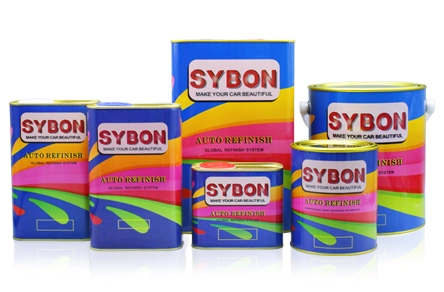
SYNEW provides a one-stop supply of automotive refinish materials balancing reliable quality and competitive pricing — a valuable choice for distributors, paint shop owners, fleet managers and repair centers who want dependable results without the premium price tag.
1. Matched product families. SYNEW offers basecoats, clearcoats and hardeners formulated to work together, reducing the risk of incompatibility that causes automotive clear coat peeling.
2. Cost-effective quality. While SYNEW’s brand recognition may be smaller than some global names, product performance is comparable — and priced for healthy margins.
3. Flexible supply and support. We serve agents and wholesalers with flexible MOQs, sample testing, and consistent manufacturing standards.
4. One-stop procurement. From primers to clearcoats and consumables, SYNEW helps simplify purchasing and inventory for repair shops and distributors.
If you’re an agent, paint shop owner, or repair center looking to open local market opportunities with a competitive refinish product line, SYNEW is built to help you win. Request samples for testing and compare finish performance and compatibility in your own process.
Call to action
SYNEW is actively seeking global distributors and partners. If you want samples, pricing or a distributor conversation, please contact us through our website — send an email via our contact form and our team will respond within 24 hours to arrange samples and discuss partnership details.
Source of this article:https://www.synewchemical.com/
Get to know us through more channels:Youtube.