
Automotive Clear Coat Application: A Practical Guide for Agents, Distributors & Repair Professionals
Clear coat is the finish that protects and dresses the base color on any modern vehicle. It delivers high gloss, UV resistance and long-term protection for the color beneath — but a great clear coat finish starts long before you pull the trigger on the spray gun. This guide explains automotive clear coat application step-by-step, clarifies the difference between medium-solids and high-solids clear, covers mixing ratios and reducer amounts, and finishes with practical tips that help your shop, fleet or distribution network deliver consistently superior results.
What is clear coat and why it matters
Clear coat is a transparent topcoat applied over the basecoat. Its primary functions are:
1. Protecting the color layer from UV, chemicals and abrasion.
2. Adding depth, gloss and visual appeal.
3. Improving long-term durability of the finish.
For buyers and end customers, the differences between a quality clear and a poor clear are immediately visible in gloss, depth, and long-term resistance to fading and oxidation — which makes clear coat selection and application a crucial selling point for distributors and repair shops.
Medium-solids vs high-solids clear — what’s the difference?
Clearcoat products are often categorized by solid content (not simply thickness or tackiness).
1. Medium-solids clear: lower solid content, easier to spray in cooler conditions, may require more coats to reach the same build and gloss.
2. High-solids clear: higher resin/solid proportion, gives better hardness, higher gloss and fewer coats (often two coats are sufficient).
Different manufacturers may call these products by different names, but the separation is always about solid content. Higher solids typically cost more, but deliver superior performance — important to explain to buyers who weigh price vs. end-user satisfaction.
Important: You must pair the clear with the correct hardener/catalyst — medium-solids clear uses medium hardener, high-solids clear uses high hardener. Using the wrong hardener will impact flow, cure and durability.
Mixing ratios and reducer (thinner) guidelines
Follow each product’s technical data sheet exactly. Common mixing practices are:
1. Typical clear : hardener ratios seen across many brands: 2:1, sometimes 3:1 or 4:1.
2. Reducer (thinner) amounts vary 5%–25% reducer depending on temperature and application technique.
Never guess the ratios — incorrect mixing is the single largest cause of poor flow, orange peel, sagging or poor hardness.
Step-by-step spray technique for a reliable finish
1. Prep the basecoat — This is the most important step. If the basecoat is rough, poorly dried, or not uniform, even the best clear cannot disguise the defects. Allow the basecoat to flash as recommended by the manufacturer.
2. Mix correctly — Measure clear and hardener by volume per the technical data, then add reducer if required by the product and ambient conditions.
3. First coat — half-dry (tack) coat
· Apply a light, tack coat to seal the basecoat. Don’t overload; the goal is to prevent lifting and promote good adhesion between coats.
· Typical flash time: 5–10 minutes, depending on temperature and product.
4. Second coat — wet coat
After the tack coat flashes, apply a wet, even coat with a slightly slower pass speed to build gloss and uniformity. This layer should appear smooth and full.
5. Optional third coat — If gloss or build is insufficient, apply a third coat carefully — watch closely for runs/solvents popping. High-solids clears often reach target build and gloss in two coats.
6. Observe for runs — If you see runs, stop and correct immediately; sanding and rework are more costly than proper initial application.
7. Equipment adjustments — Set gun distance, fan width and air pressure according to the gun manufacturer and product instruction. These variables change with gun type (conventional, HVLP, etc.) and operator technique. There is no universal PSI or distance — tune for your equipment and environment.
Practical tips that make a difference
1. Temperature & humidity: affect flash times and flow. Warmer temperatures speed drying — reduce reducer; cold/humid conditions may require hotter reducers and longer flash.
2. Film build control: measured in microns — avoid excessive single-pass thickness to prevent trapped solvents and runs.
3. Quality control: inspect for orange peel, dust nibs, and gloss; correct minor defects by block sanding and polishing when fully cured.
4. Operator training: consistent technique across technicians is essential for repeatable results — especially important for large fleets or franchise repair centers.
SYNEW — your partner for competitive quality
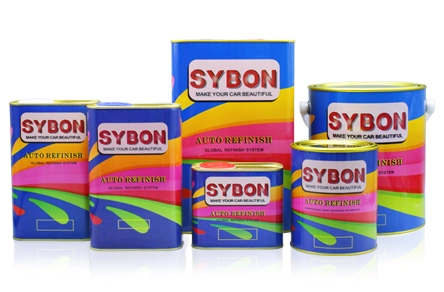
SYNEW offers a one-stop range of automotive refinish products that strike the balance between reasonable price and dependable product quality. While our brand may not have the same global fame as some legacy names, our formulations match high-end performance while offering superior cost-effectiveness. For agents, wholesalers and local distributors seeking competitive, reliable products to open doors in their markets, SYNEW is an excellent option.
We are actively looking for global agents and distributors. If you operate a paint shop, distribution business, fleet maintenance facility or auto repair center and want better margins without sacrificing finish quality, request SYNEW samples for testing. Please contact us via our website and send an email — we will respond within 24 hours to discuss samples, pricing and distribution terms.
Source of this article:https://www.synewchemical.com/
Get to know us through more channels:Youtube.