
10 Common Automotive Paint Problems: Causes, Solutions, and SYNEW Refinish Guide
What are the 10 Common Automotive Paint Problems that repair shops, distributors, fleet owners, and refinish professionals face most often? Why do these problems happen, and how can they be prevented during automotive refinishing?
In automotive paint application, even small mistakes in material selection, mixing, spraying, drying, or surface preparation can create visible defects that affect appearance, durability, and customer satisfaction. For import agents, wholesalers, distributors, and body repair businesses, understanding these problems is essential for reducing rework, saving costs, and improving service quality.
SYNEW, as a professional automotive paint manufacturer, focuses on delivering reliable quality, competitive pricing, and one-stop automotive refinish supply solutions. This makes SYNEW a strong partner for businesses that want quality comparable to big brands, but with much better value.
10 Common Automotive Paint Problems and Their Answers
1. Why should solid color paint not use dye-based colorants?
Solid color paint is mainly made from pigments, while dye-based colorants have weaker hiding power. If dye-based materials are used in solid color mixing, the color effect may be weak and floating can occur. For solid color paint formulation, color pastes or pigment-based mixing materials are the correct choice.
2. Why must automotive paint be stirred thoroughly before application?
Automotive paint is a mixture of resin, pigment, solvent, and additives, not a true solution. During storage, pigments and flattening agents can settle naturally. If the paint is not stirred well before use, the formula inside the can becomes uneven, causing inconsistent color, gloss, and performance. Thorough mixing is necessary every time.
3. Why does the gloss level change in matte clear coat during use?
In a can of matte clear coat, the flattening agent slowly settles over time. If the paint is not mixed enough, the upper layer may contain less flattening agent, resulting in a glossier finish at the beginning. As spraying continues, more flattening agent comes from the lower layer, and the gloss gradually drops until the finish becomes fully matte. This is a typical sign of poor stirring.
4. Why does paint run or sag during spraying?
Runs and sags usually happen because the coating does not wet the surface properly or the surface tension is too high. Other causes may include too much paint in one pass, poor spraying technique, incorrect viscosity, or a mismatched thinner. Proper surface preparation and controlled spray application can reduce this defect.
5. Why do bubbles and pinholes appear in paint?
Bubbles often form when gas is trapped inside the coating. As the surface dries faster than the inner layer, solvent or air continues to escape and breaks through the surface. This creates bubbles, and when the bubbles burst or are sanded open, they leave pinholes. Incorrect drying conditions, thick coats, or poor substrate preparation are common reasons.
6. Why does automotive paint crack?
Cracking can happen for many reasons: the topcoat may be too hard, the coating may be too thick, the previous layer may not be fully dry, or too much fast-drying additive may be used. Incompatible products, expired paint, uneven mixing, and severe environmental conditions can also lead to cracking. Proper product matching and correct film thickness are essential.
7. Why does orange peel appear in automotive paint?
Orange peel is usually caused by fast solvent evaporation, poor leveling, incorrect spray gun nozzle size, high viscosity, an uneven surface, or an unsuitable thinner. When the paint cannot flow out smoothly before drying, the finish develops a textured look similar to orange peel. Correct dilution and spray settings help improve leveling.
8. Why does the topcoat sometimes lose gloss?
Gloss loss often happens when the substrate is damp, contaminated with acids, alkalis, or salts, or too rough to support a smooth finish. If the coating is too thin, or if the humidity is too high, the surface may turn dull or even whitish. Using too much thinner can also reduce gloss and film build.
9. Why does metallic silver paint sometimes appear blotchy?
Blotching in silver paint is often caused by low viscosity, excessive spray pressure, or an unbalanced spray pattern. The solution is usually to lower the pressure, reduce the paint output, and apply thin, even coats multiple times. Metallic colors require careful spray control to keep aluminum flakes aligned properly.
10. Why is primer recommended as the base layer?
Primer is designed mainly for filling, leveling, sanding, and adhesion. It has excellent build, strong sanding properties, and lower cost than finish coats. Using primer as the base layer improves the smoothness of the surface and helps the topcoat perform better. It is a key step in any professional refinishing system.
Quick Reference Table: 10 Common Automotive Paint Problems
| Problem | Main Cause | Practical Solution |
|---|---|---|
| Wrong color tone in solid paint | Dye-based colorants have poor hiding power | Use pigment-based color pastes |
| Poor paint consistency | Paint not stirred enough | Mix thoroughly before use |
| Gloss changes in matte clear coat | Flattening agent settles during storage | Stir evenly before and during use |
| Runs and sags | Poor wetting, high surface tension, excessive coating | Apply controlled light spray coats |
| Bubbles and pinholes | Trapped solvent or air inside the coating | Improve drying conditions and control film thickness |
| Cracking | Thick coating, incompatible products, insufficient drying | Use compatible products and proper curing times |
| Orange peel | Poor leveling, fast solvent evaporation, high viscosity | Adjust thinner, spray gun settings, and viscosity |
| Gloss loss | Moisture, contamination, excessive thinner, high humidity | Keep surface dry and use correct thinner ratio |
| Blotchy metallic silver paint | Low viscosity or excessive spray pressure | Lower pressure and spray multiple thin coats |
| Weak base layer adhesion | No primer or poor-quality primer | Apply automotive primer before topcoat |
Why SYNEW Is a Smart Choice for Distributors and Refinish Businesses
For import agents, wholesalers, distributors, fleet owners, and repair shops, choosing the right automotive paint supplier is not only about price. It is also about consistency, ease of application, stable quality, and long-term profitability.
SYNEW offers a strong balance between reasonable pricing and dependable quality. Compared with many big international brands, SYNEW may not be as famous, but the product quality is highly competitive, while the overall cost performance is more attractive. That makes SYNEW an excellent choice for businesses that want to build a stronger local market presence without paying premium-brand prices.
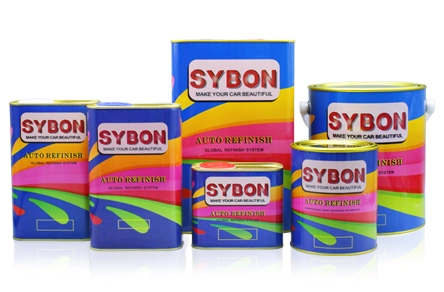
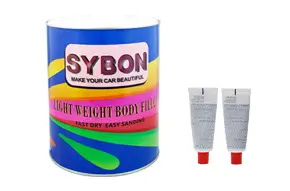
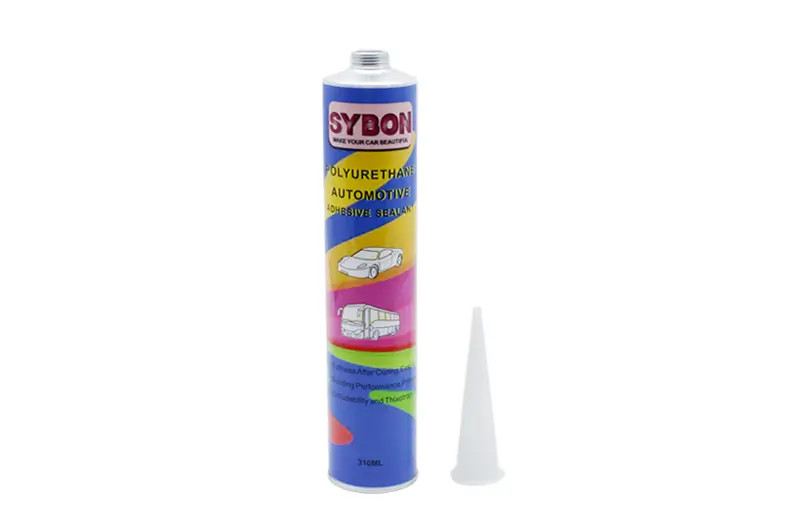
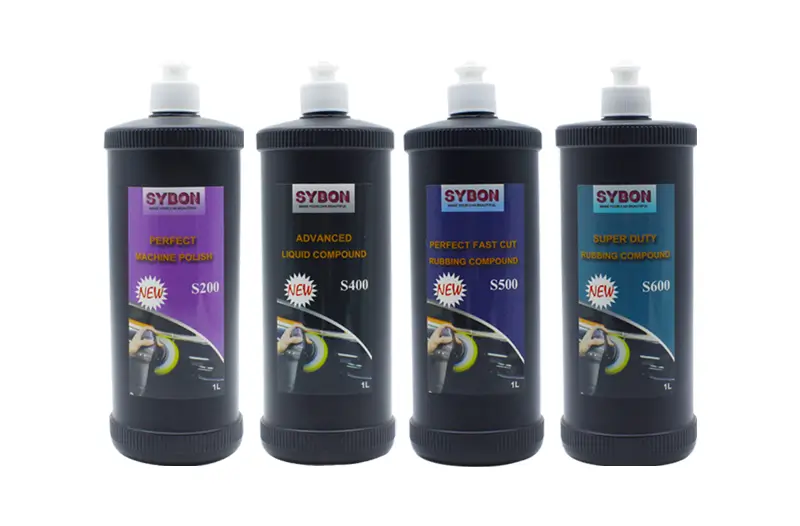
SYNEW provides a one-stop automotive refinish sourcing solution, including products for painting, refinishing, and repair applications. This helps distributors simplify purchasing, save time, and improve supply efficiency. For dealers and body shop owners, SYNEW products can become a powerful tool to increase competitiveness, attract more customers, and grow profit margins.
FAQ
1.What is the most common automotive paint problem?
The most common automotive paint problems usually include poor color matching, orange peel, runs, gloss loss, cracking, bubbles, and metallic blotching.
2.How can automotive paint problems be reduced?
They can be reduced through proper surface preparation, correct mixing, good spray technique, matched products, and controlled drying conditions.
3.Why is stirring so important before painting?
Because pigments, flattening agents, and other components can settle during storage, stirring ensures the paint remains uniform and performs correctly.
4.Is primer necessary for automotive refinishing?
Yes. Primer improves filling, sanding, and adhesion, making it a critical base layer for a smooth and durable final finish.
5.Can SYNEW support distributors and wholesalers?
Yes. SYNEW actively seeks global partners and welcomes distributors, paint shop owners, and repair center owners to request samples and discuss cooperation.
Conclusion
Understanding the 10 Common Automotive Paint Problems helps repair professionals avoid costly mistakes and deliver better refinishing results. From incorrect mixing and gloss inconsistency to cracking, orange peel, and metallic blotching, each issue has a clear cause and a practical solution.
For businesses that want a reliable supplier with competitive pricing and solid quality, SYNEW is ready to support your growth. If you are a distributor, paint shop owner, or automotive repair business looking for a dependable automotive refinish partner, contact SYNEW through our website and request samples for testing. We will reply within 24 hours and look forward to building a win-win cooperation.
Source of this article:https://www.synewchemical.com/
Get to know us through more channels:Youtube.