
What Is Car Pearl Paint Color Matching?
Car pearl paint color matching is the process of reproducing a vehicle’s original pearl finish as accurately as possible. Unlike solid colors, pearl paint changes appearance depending on the viewing angle. From the front, the color may look brighter or warmer, while from the side, it may shift cooler, darker, or more metallic-looking. This angle-dependent effect makes color matching more challenging, but also more important for professional refinish work.
For distributors, import agents, wholesalers, fleet owners, and repair shops, accurate car pearl paint color matching is not just a technical task. It directly affects customer satisfaction, repair quality, repeat business, and profit.
Why Is Car Pearl Paint Color Matching So Difficult?
Pearl finishes are special because they combine base color, pearl particles, and light reflection. The paint often looks different in sunlight, shade, or indoor light. A perfect match must consider not only the color itself, but also:
- front and side color difference
- brightness and depth
- pearl type, size, and quantity
- transparency of the toner
- gloss and visual softness
This is why car pearl paint color matching requires both experience and a systematic approach.
Step-by-Step Guide to Car Pearl Paint Color Matching
The following table summarizes the basic process and the key points for accurate pearl paint matching.
| Step | Purpose | Key Focus | Common Mistake |
|---|---|---|---|
| 1. Identify the hue | Understand the color direction | Front and side appearance of the original paint | Choosing the wrong main toner |
| 2. Analyze pearl particles | Match the visual effect | Pearl type, size, and quantity | Adding too many pearl types |
| 3. Mix the paint | Build the correct color formula | Main toner first, then pearl additives | Poor stirring or incorrect order |
| 4. Spray a test panel | Compare real-world appearance | Same plane as the car body | Comparing at the wrong angle or under bad lighting |
| 5. Adjust the color | Fine-tune the formula | Depth, hue, chroma, and pearl effect | Over-correcting and losing balance |
1. Determine the Hue and Choose the Main Toner
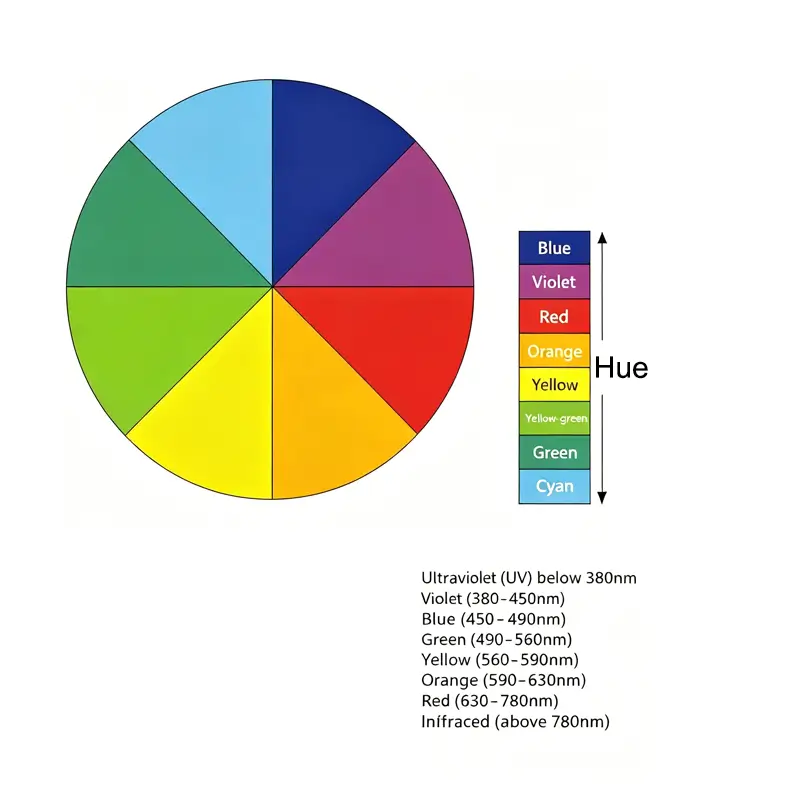
The first step in car pearl paint color matching is to identify the hue from both the front and side views. Pearl paint often shows different color impressions depending on the angle. For example, a fine yellow pearl may appear yellow from the front but red from the side.
If you are not fully confident in the toner’s appearance yet, it is smart to test it first on a mixing stick or spray-out card. Then add small amounts of micro-adjustment toners to see the effect before committing to the final formula. This prevents mistakes and saves both material and time.
2. Identify the Pearl Type, Size, and Quantity
A good pearl match is not just about color. It is also about the pearl effect itself. You should carefully analyze:
- how many pearl types are included
- whether the pearls are fine, medium, or coarse
- whether the pearl effect is subtle or strong
- whether the finish is pure pearl, light pearl, or color-shifting pearl
In most cases, it is better to keep the number of pearl types within four. Too many pearl variations can make the finish unstable and difficult to control.
3. Mix the Paint in the Correct Order
When preparing the formula, add the main toner first and then add the pearl components. Stir thoroughly so the pigments and pearl particles are evenly distributed.
At this stage, the goal is to reproduce both the front-face color and the side-face color. The best formulas are not always the most complicated ones. Often, a stable, well-balanced formula gives a more natural and professional result.
4. Spray a Test Panel for Comparison
Never judge pearl paint by looking only at the mixed paint in the cup. Always spray a test panel before final application. The test panel should be placed on the same plane as the car body so that the comparison is accurate.
During the comparison, check these points:
1. Brightness: Is the test panel too dark or too light?
2. Hue: Does it look more red, blue, or yellow than the original?
3. Chroma: Is the color stronger or weaker than the original?
4. Pearl effect: Does the pearl size, quantity, and type match the original finish?
This step is essential for successful car pearl paint color matching.
5. Correct the Color Gradually
Once you compare the spray-out panel with the original vehicle color, make fine adjustments. The safest method is to correct gradually rather than making large changes at once.
A good rule is to adjust depth first, then hue. Focus mainly on the front-facing appearance while also considering the side view. At the same time, check that the pearl particle size and quantity remain close to the original vehicle finish.
FAQ
1. What makes car pearl paint color matching different from solid color matching?
Pearl paint changes appearance by angle, so the front view and side view must both be matched accurately. Solid colors are usually easier because they look more consistent from different angles.
2. How many pearl types should be used in a pearl formula?
In most cases, keeping the pearl types within four is recommended. This helps maintain stability and makes the finish easier to control.
3. Why is a spray-out test panel necessary?
A spray-out panel shows the real appearance of the mixed paint under actual lighting conditions. It is the most reliable way to check brightness, hue, chroma, and pearl effect before final application.
4. Who is SYNEW suitable for?
SYNEW is suitable for import agents, wholesalers, fleet owners, paint shops, and auto repair centers that want quality automotive refinish products at a competitive price.
Three Important Tips for Better Car Pearl Paint Color Matching
The following three principles can help improve your results significantly:
1. Choose the right toner.
You must understand the front and side appearance of each toner and its transparency. Pearl systems usually use transparent toners, so toner selection is critical.
2. Use toner to control the front and side hue.
The front and side color differences in pearl paint are mainly controlled by the solid toners, while the pearl toners mainly control particle type, size, and quantity.
3. Follow the correct adjustment logic.
First adjust lightness and darkness, then hue. Prioritize the front-facing color and balance the side-facing color. Keep the pearl particle effect as close as possible to the original.
Why Choose SYNEW for Automotive Refinish Solutions?
For import agents, wholesalers, fleet operators, repair shops, and distributors, choosing the right supplier matters as much as choosing the right formula. SYNEW is a professional automotive paint manufacturer that combines competitive pricing with reliable quality.
SYNEW offers a one-stop procurement solution for automotive refinish products, helping partners simplify sourcing and improve business efficiency. While SYNEW may not be as widely known as some global brands, its product quality is comparable, and its value is especially attractive for companies that want strong performance without the high cost of major brand pricing.
If you are looking for a dependable partner to support your local market, SYNEW can help you build stronger competitiveness with high-quality refinishing products. SYNEW is actively seeking global distributors and welcomes cooperation with paint stores, auto repair centers, importers, and wholesalers.
Conclusion
Car pearl paint color matching is a skill that requires careful observation, correct toner selection, pearl analysis, spray-out testing, and patient fine-tuning. When done correctly, it helps repair shops deliver seamless results and helps distributors and wholesalers offer more valuable solutions to their customers.
If you are looking for a cost-effective automotive paint manufacturer with stable quality and one-stop supply support, SYNEW is ready to cooperate. Sample requests are welcome, and partnership inquiries can be sent through the website. SYNEW will respond within 24 hours.
Source of this article:https://www.synewchemical.com/
Get to know us through more channels:Youtube.