
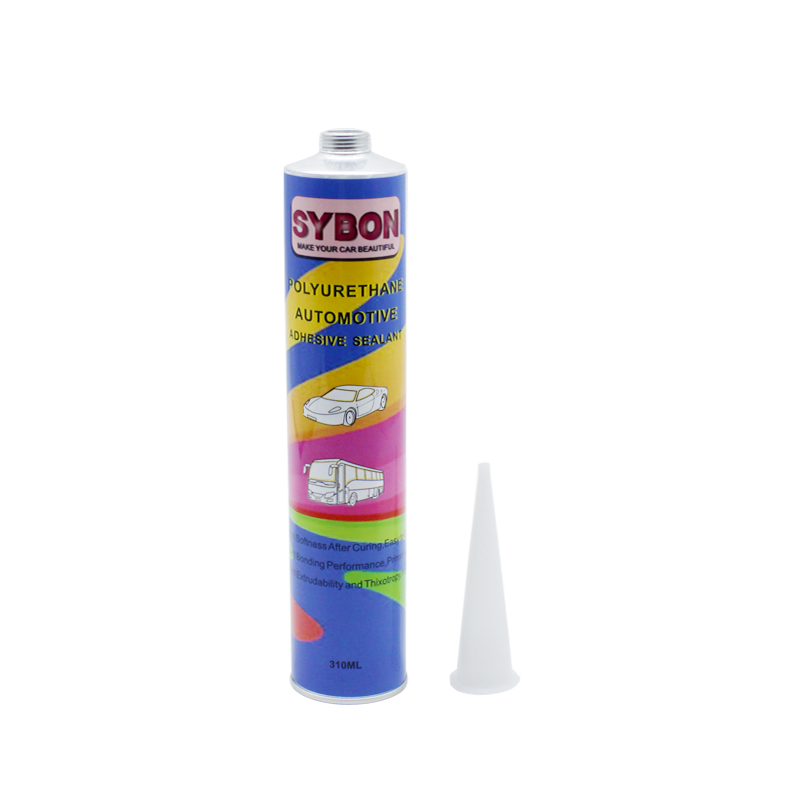
What Sealants Do Car Manufacturers Use?
In modern automotive manufacturing, the selection of materials and adhesives plays a critical role in ensuring a vehicle’s safety, durability, and long-term performance. Among all bonding materials, sealants used for windshields and structural components are especially important. Today, most car manufacturers rely primarily on polyurethane sealants, including polyurethane windshield adhesives and polyurethane metal sealants, as their first choice for automotive assembly.
These sealants provide the strength, flexibility, and environmental resistance required to meet strict automotive standards and global safety regulations.
Understanding Polyurethane Sealants
Polyurethane sealants are highly versatile materials known for their excellent adhesion, elasticity, and resistance to harsh environmental conditions. These properties make them ideal for a wide range of automotive applications, such as:
1. Bonding windshields and side windows
2. Sealing body joints and seams
3. Providing structural reinforcement between components
Because vehicles are constantly exposed to vibration, temperature changes, moisture, and UV radiation, the sealant must remain stable and flexible over time. Polyurethane performs exceptionally well under these conditions, which explains its widespread use in the automotive industry.
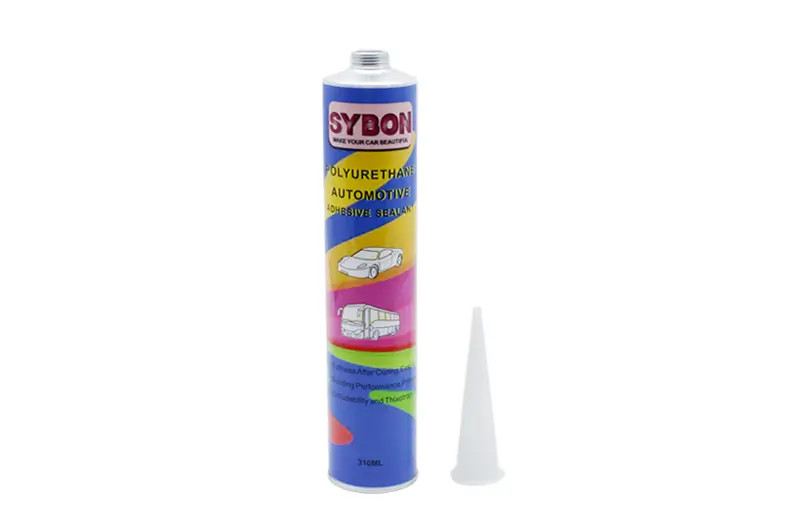
Polyurethane Windshield Adhesive
Polyurethane windshield adhesive is a high-performance sealant specifically designed to bond automotive glass to the vehicle body. It creates a strong, permanent bond that is essential for both safety and structural integrity.
In modern vehicles, the windshield is not only a piece of glass but also a structural component. A properly bonded windshield:
1. Enhances the rigidity of the vehicle body
2. Supports airbag deployment performance
3. Helps prevent windshield detachment during a collision
4. Reduces the risk of passenger ejection in accidents
For these reasons, manufacturers strictly specify polyurethane windshield adhesives that meet international crash and safety standards.
Polyurethane Metal Sealants
In addition to glass bonding, polyurethane metal sealants are widely used for sealing and bonding metal-to-metal joints throughout the vehicle. Typical applications include:
1. Body frame assembly
2. Roof and panel seams
3. Door and trunk joints
4. Vibration-prone structural connections
These sealants provide a durable, flexible seal that can withstand constant movement, vibration, and thermal expansion. Their ability to maintain adhesion under stress makes them ideal for critical structural areas.
Why Do Automakers Prefer Polyurethane Sealants?
Automobile manufacturers choose polyurethane sealants for several key reasons:
1.Strong Adhesion
Polyurethane offers excellent bonding strength on glass, metal, and painted surfaces, ensuring components remain securely fixed over the vehicle’s lifetime.
2.High Flexibility
Its elasticity allows it to absorb vibration and adapt to expansion and contraction caused by temperature changes, preventing cracks or bond failure.
3.Outstanding Weather Resistance
Polyurethane sealants resist moisture, UV radiation, and extreme temperatures, helping to prevent water leaks, corrosion, and premature aging.
4.Efficient Application
They can be applied easily using standard dispensing equipment and cure quickly, improving production efficiency without sacrificing quality.
5.Wide Versatility
Beyond windshields, polyurethane sealants are used for trim bonding, seam sealing, noise reduction, and even certain engine and chassis components.
Conclusion
Automobile manufacturers mainly use polyurethane sealants, including polyurethane windshield adhesives and polyurethane metal sealants, because of their superior bonding strength, flexibility, and resistance to environmental stress. These sealants play a vital role in vehicle safety, durability, and overall structural performance.
As automotive technology continues to evolve, advanced polyurethane formulations will remain a cornerstone of modern vehicle manufacturing, helping to meet ever-higher standards for safety, efficiency, and reliability.
Source of this article:https://www.synewchemical.com/
Get to know us through more channels:Youtube.