
Why Automotive Paint Adhesion Fails (and what distributors, fleets and repair shops should do about it)
For import agents, wholesalers, bodyshop owners, fleet managers and repair pros, understanding automotive paint adhesion is essential. Poor adhesion doesn’t just look bad — it threatens repair durability, customer satisfaction, and your business reputation. In this article we explain the root causes of weak adhesion, practical prevention and repair steps, and how SYNEW’s product range helps you deliver consistent, profitable results.
What we mean by automotive paint adhesion
When we say automotive paint adhesion, we mean two things: (1) the primer’s ability to bond to the substrate (metal, plastic, or OEM coatings), and (2) the ability of successive refinish layers (primer > basecoat > clearcoat) to bond to one another. Failure in either area shows up as lifting, peeling, flaking, or early loss of gloss — and it usually stems from avoidable process or material mistakes.
6 common causes of poor adhesion — and how to fix each one
Below are the typical causes you’ll encounter in daily refinish work, and practical steps to prevent them.
1. Contaminated substrate (oil, grease, wax, rust, silicone)
- Why it matters: Contaminants form a barrier between the primer and the surface so the primer cannot chemically or mechanically bond.
- Fix: Use a thorough cleaning sequence (wash, degrease, wax & grease remover, and tack cloth). Remove rust or loose coating down to a sound substrate before priming.
2. Insufficient or improper sanding
- Why it matters: Sanding creates a consistent, keyed surface so the primer can grip mechanically. Too little sanding leaves smooth areas that repel coatings; over-sanding can damage the substrate.
- Fix: Follow recommended sanding grades and patterns for substrate types. Feather edges properly on blended repairs so the primer has a uniform anchor.
3. Wrong primer for the substrate
- Why it matters: Different substrates (bare steel, galvanized metal, aluminum, various plastics) and existing coatings require specific primer chemistries. A mismatched primer can’t form a durable bond.
- Fix: Choose primers engineered for the substrate — e.g., use epoxy primers for corrosion protection on bare metal, 2K intermediate primers for spot repair blends, and specific plastic primers for bumpers and trim.
4. Insufficient flash/evaporation time between coats
- Why it matters: Solvent needs time to flash off; applying the next coat too soon can trap solvent or prevent full chemical crosslinking, weakening the intercoat bond.
- Fix: Stick to the manufacturer’s recommended flash times and ambient conditions. Control temperature and humidity in your spray environment for predictable evaporation.
5. Coating applied too thick or paint mixed too concentrated
- Why it matters: Excess thickness can sag and cure improperly; heavy solvent load can disrupt curing and adhesion.
- Fix: Use proper thinning ratios and gun settings. Apply multiple controlled wet coats rather than a single heavy coat.
6. Incorrect application technique (spray gun settings, distance, overlap)
- Why it matters: Uneven film build, poor atomization or improper overlap causes variable adhesion and visual defects.
- Fix: Train technicians on gun setup, spray patterns, and consistent technique. Maintain equipment and check pressure and nozzle condition regularly.
Recommended primers and product choices
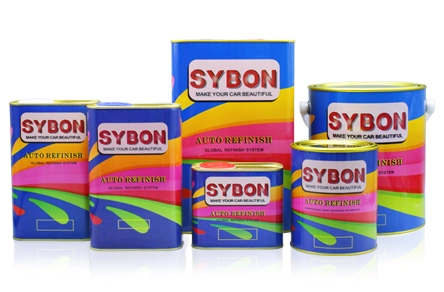
To avoid adhesion problems choose the right primer for the job: 1K plastic primer for non-structural plastics, 1K primer surfacer for quick spot repairs, 2K intermediate primer for high-performance refinish layering, and 2K epoxy primer for bare-metal corrosion protection and maximum adhesion. Always follow the supplier technical datasheet for mixing, application and intercoat times.
Process controls and shop best practices
- Always perform a small test or adhesion tape test after the primer step in critical repairs.
- Control shop climate (temperature and humidity) to reduce variability in flash and cure times.
- Keep a visible, shop-wide checklist for surface prep, primer selection, flash times and final inspection to ensure consistent quality across jobs.
Why distributors and shops choose SYNEW
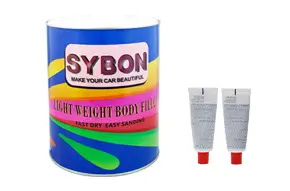
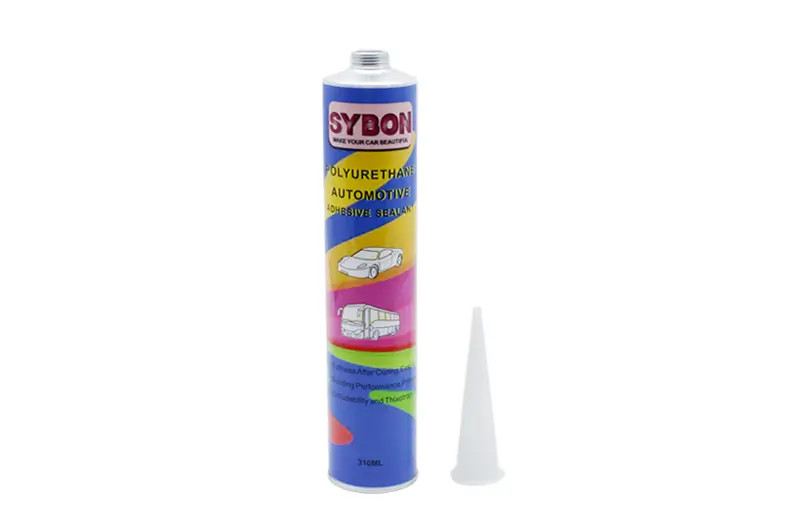
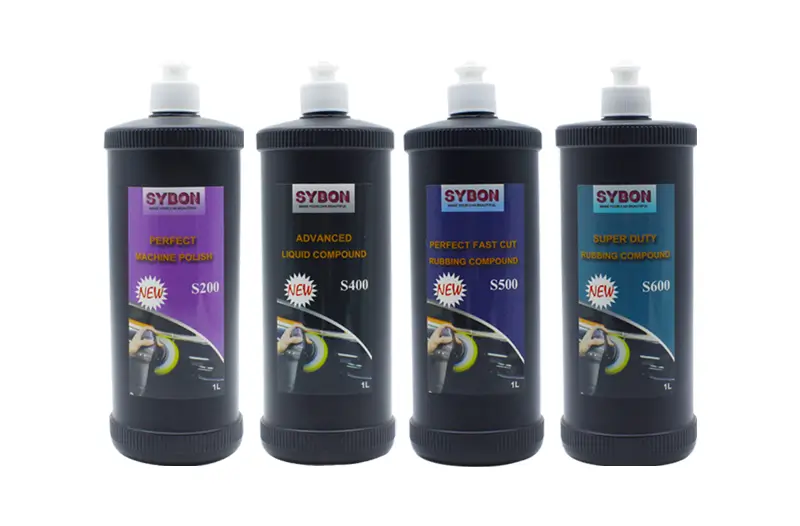
SYNEW offers a one-stop product lineup designed for the needs of importers, wholesalers and repair professionals: competitive pricing without sacrificing product performance. Our products are formulated to provide the adhesion reliability professionals expect — comparable in quality to major brands but with better value for margin-focused distributors. SYNEW supports global partners with product training, technical data sheets, and sample availability so you can prove performance in your market.
If you’re an importer, paint shop owner, fleet manager or repair center looking to improve finish quality and reduce rework, SYNEW is ready to partner with you. We are actively expanding our distribution network worldwide and welcome inquiries from potential agents and resellers. Request samples for testing and comparison — we believe a side-by-side test speaks louder than any claim.
Call to action
Interested in testing SYNEW products or becoming a distributor? Please contact us via the contact form on our website to request samples and distribution terms. SYNEW will respond within 24 hours to start the conversation. Partner with SYNEW to offer your customers reliable refinish solutions and improve your shop’s profitability.
By addressing surface contamination, correct sanding, primer selection, intercoat timing, proper film build and spray technique, you dramatically reduce problems with automotive paint adhesion — and give your customers lasting, high-quality repairs. With SYNEW’s product range and partner support, you get a competitive, reliable solution for local markets.
Source of this article:https://www.synewchemical.com/
Get to know us through more channels:Youtube.