
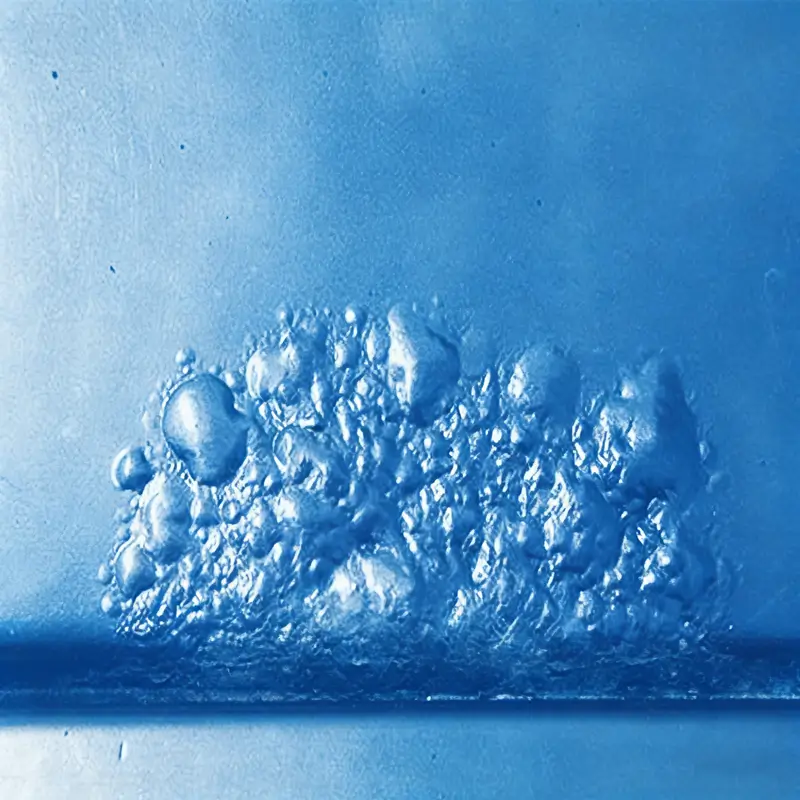
Why Dense Small Bubbles on Car Paint Surfaces
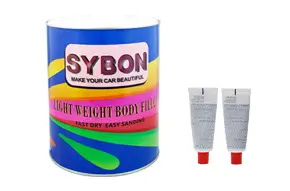
When surface imperfections such as dents or low spots are repaired with lightweight body filler (polyester putty), proper drying and preparation are critical. If primer or topcoat is applied while residual moisture from wet sanding or a humid environment remains on or under the substrate, dense small bubbles — sometimes called blisters — can later appear in the paint film.
Main causes
1. Trapped moisture vaporizing under heat.
Any moisture left beneath the paint will expand when the vehicle or paint film is warmed (during curing, heat exposure, or normal use). The resulting vapor pressure lifts the topcoat and forms bubbles.
2. Slow chemical or corrosive reactions.
Residual water can trigger slow chemical degradation at the filler–substrate interface or within the primer. These reactions may be invisible at first but can cause underfilm corrosion and paint failure months later.
3. High ambient humidity during application.
Spraying in a humid environment or applying coatings to surfaces that have moisture condensate on them can introduce moisture into the paint layers and increase the risk of bubbling.
How to Prevent Paint Bubbles — Recommended Dry Sanding Workflow
Follow a dry, controlled prep process to greatly reduce the risk of bubbles:
1. Confirm full cure of the body filler.
Ensure polyester putty is completely cured according to manufacturer specs before any sanding or coating steps.
2. Use dry sanding only.
Sand with dry abrasive paper or a sanding machine. Keep the workspace and substrate dry during sanding to prevent moisture pickup.
3. Clean thoroughly after sanding.
Remove dust and sanding residues with a tack cloth and appropriate cleaners. Any residue left on the surface can interfere with primer adhesion.
4. Apply a protective primer — 2K epoxy recommended.
Use a 2K epoxy (two-component) anti-rust primer as the primer layer: it offers excellent waterproofing, corrosion resistance, and adhesion—acting as a robust barrier between substrate/filler and later paint layers.
5. Follow correct drying/curing and application sequence.
Allow each layer (primer, basecoat, clearcoat) to dry or flash off fully according to product instructions before applying the next layer. Ensure proper curing for tight intercoat adhesion.
Conclusion
Dense small bubbles in automotive paint are typically preventable. The root causes are moisture trapped under the paint, moisture-driven chemical damage, and humid application conditions. A disciplined dry-sanding workflow, meticulous cleaning, and using a high-quality 2K epoxy primer dramatically reduce the risk of blistering and protect the long-term appearance and durability of the finish.
Source of this article:https://www.synewchemical.com/
Get to know us through more channels:Youtube.