
What is a polish cut? — A practical B2B guide for distributors, wholesalers and repair shops
When someone in a paint shop asks, “What is a polish cut?” they’re asking about the abrasive strength or “cutting” capability of a polishing product — in other words, how aggressively the product removes defects from automotive paint. For import agents, wholesalers, fleet managers and body shop owners, understanding polish cut is essential: it determines the product selection, finishing workflow, labor time, and—ultimately—customer satisfaction and profit margins.
What “cut” actually means
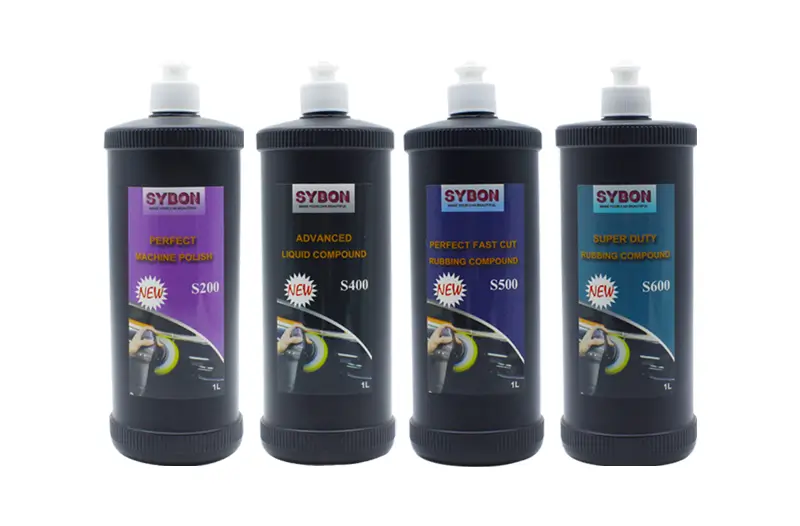
“Cut” describes how much material a polish/compound will remove from the paint surface in order to eliminate defects. A high-cut (heavy cut) product removes more surface material and is used for deeper scratches, heavy oxidation, or compounding after sanding. A medium-cut product balances defect removal with surface refinement. A low-cut or finishing polish refines the surface, removes micro-marring and produces gloss.
Key takeaway: higher cut → faster defect removal but more surface abrasion; lower cut → finer finish, less aggressive. Successful paint correction typically uses a progression: heavy cut → medium cut → finishing polish.
Components that determine cut
Several elements influence a product’s cut:
- Abrasive type & grit size: Different abrasives (aluminum oxide, silicon carbide, ceramic or proprietary micro-abrasives) and their particle sizes define aggressiveness.
- Polish chemistry / vehicle: Oils, binders and lubricants in the formula affect heat control, ease of use, and finish quality.
- Applicator type: Wool vs. foam vs. microfiber pads greatly change effective cut. For example, a medium-cut polish on a wool pad becomes more aggressive than the same polish on a soft foam pad.
- Machine speed & pressure: Higher RPMs and heavier pressure increase cutting action; training and recommended operating ranges are important to prevent damage.
Typical use cases per cut level
- Heavy cut compound: Removing sanding marks (P800–P1200), deep scratches, heavy oxidation. Used by experienced technicians.
- Medium cut: Eliminating moderate swirls and light scratches while starting to restore gloss.
- Light cut finishing polish: Final stage for gloss, wet-look finish, removing halos and micro-marring.
Why the B2B buyer should care
If you’re an importer, distributor or repair shop owner, polish cut affects:
- Inventory decisions: You’ll need a tiered range (compound, medium polish, finishing polish) to serve both insurance jobs and premium customers.
- Training requirements: Aggressive compounds require skilled operators and quality control to avoid clearcoat thinning.
- Warranty & returns: Using the right cut reduces callbacks from poor finishes or clearcoat damage.
- Pricing & margins: Faster corrections reduce labor time and increase throughput—good polish selection impacts your bottom line.
- Compatibility & compliance: VOC levels, packaging sizes, and safety data sheets (SDS) matter for different markets and fleet procurement rules.
How to present polish cut to your clients
When selling to repair shops or fleets, provide:
- Clear product data (cut rating, recommended pads, machine speed range)
- Application guides and step-by-step workflows
- Training resources or demo sessions
- Sample kits so customers can test on their paint systems
These items shorten sales cycles and increase reorder rates.
Quick practical tips for shops
- Always start with the least aggressive option that will fix the defect; escalate only if necessary.
- Test on an inconspicuous panel or sample board before working on a customer vehicle.
- Use correct pad–polish combinations and adhere to recommended RPMs.
- Keep consistent records of paint thickness and follow safe polishing practices to avoid clearcoat thinning.
- Finish with a high-quality finishing polish and protective clear coat or sealant for long-term gloss retention.
Why SYNEW’s cutting & polishing range fits your portfolio
SYNEW understands what distributors and repair shops need: consistent performance, technical support, and competitive pricing. SYNEW’s cutting/polish compounds are formulated for reliable cut-to-finish performance while keeping safety and user-friendliness in mind. Compared to large-brand alternatives, SYNEW offers similar product quality with a better price-to-performance ratio—helping you win local market share and protect margins.
What SYNEW offers our partners:
- A tiered polish range (heavy compound → medium polish → finishing polish) with clear cut guidance.
- One-stop procurement: automotive refinish products and accessories to simplify ordering and inventory management.
- Technical documentation, recommended pad pairings and use instructions tailored to professional shops.
- Samples available for evaluation and in-shop trials.
- Training support and sales materials to help you promote to local customers.
Invitation for agents, distributors and repair shops
SYNEW is actively seeking global agents and distributors. If you are an importer, wholesaler, body shop owner or fleet maintenance manager and want a competitive, high-quality line of cutting and polishing products, we welcome you to request samples and test our products in your shop.
Please contact us through our website and send an inquiry email; we promise to contact you within 24 hours. If you want a starter sample kit, technical datasheets, or a live demo, tell us in your message and we’ll prepare everything for evaluation.
Understanding “What is a polish cut?” is the first step toward offering professional paint correction services that protect paint integrity and maximize customer satisfaction. For distribution partners, offering a clearly documented, performance-proven polish range like SYNEW’s is a way to stand out in competitive local markets—better margins, reliable performance, and real technical support for your customers. Interested in samples or becoming a SYNEW distributor? Reach out via our website today.
Source of this article:https://www.synewchemical.com/
Get to know us through more channels:Youtube.